Can't Afford to Move? A Home Addition Could Give Your Family the Space You Need
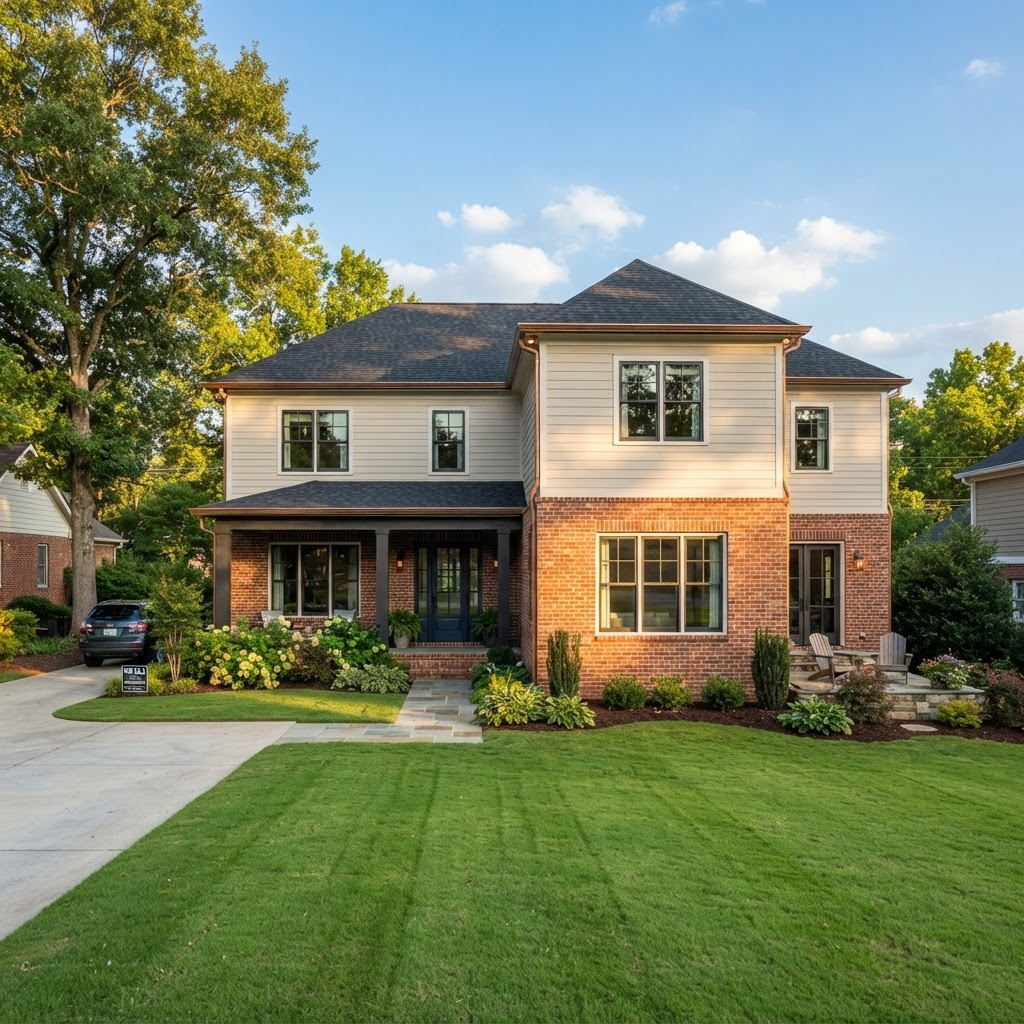
You love your home and your neighborhood — but your family has outgrown the floor plan. When space gets tight, moving feels like the obvious answer. But before you list your house, it's worth asking a different question: instead of "Where can we move?", consider "How can we make this home work better?" A professionally planned addition can expand the home you already own while keeping you connected to the people, routines, and places that matter to your family.
You May Need a Larger Home — Without Wanting a Different Home
Growing families throughout Huntsville, Madison, Owens Cross Roads, Hampton Cove, and nearby North Alabama often face the same challenge: the home they love no longer provides enough room.
Maybe your children need separate bedrooms. Perhaps remote work has taken over the dining table, an aging parent needs a comfortable place to stay, or your family simply needs another living area. Moving may seem like the obvious answer, but it can also mean giving up a neighborhood, school zone, commute, yard, and community you already enjoy.
Replacing an existing lower-rate mortgage with a new loan at today's rate could create a noticeably higher monthly payment, even before considering a larger purchase price.
Moving Involves More Than the Price of the Next House
A fair comparison should include the full cost and disruption associated with relocating — not only the new home's listing price.
Transaction and moving expenses. Selling and buying may involve inspections, appraisals, lender fees, closing costs, movers, repairs, deposits, and temporary storage.
A different mortgage payment. A higher home price, interest rate, insurance premium, or property-tax bill can substantially change your ongoing housing costs.
Compromises in the next home. Another property may provide more square footage but still lack the office, storage, accessibility, or entertaining space you need.
Disruption to daily life. Moving can affect school routes, work commutes, childcare arrangements, friendships, and familiar routines.
What Can You Add to Your Existing Home?
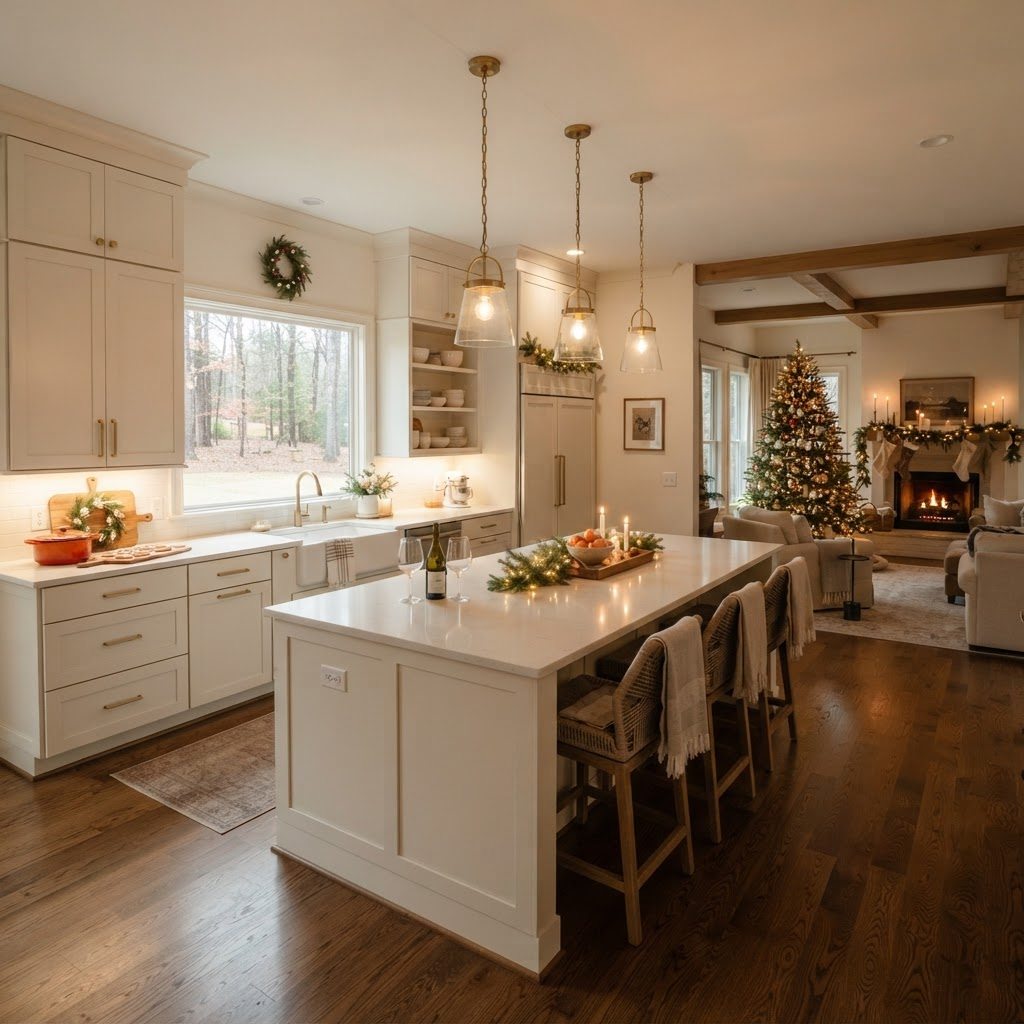
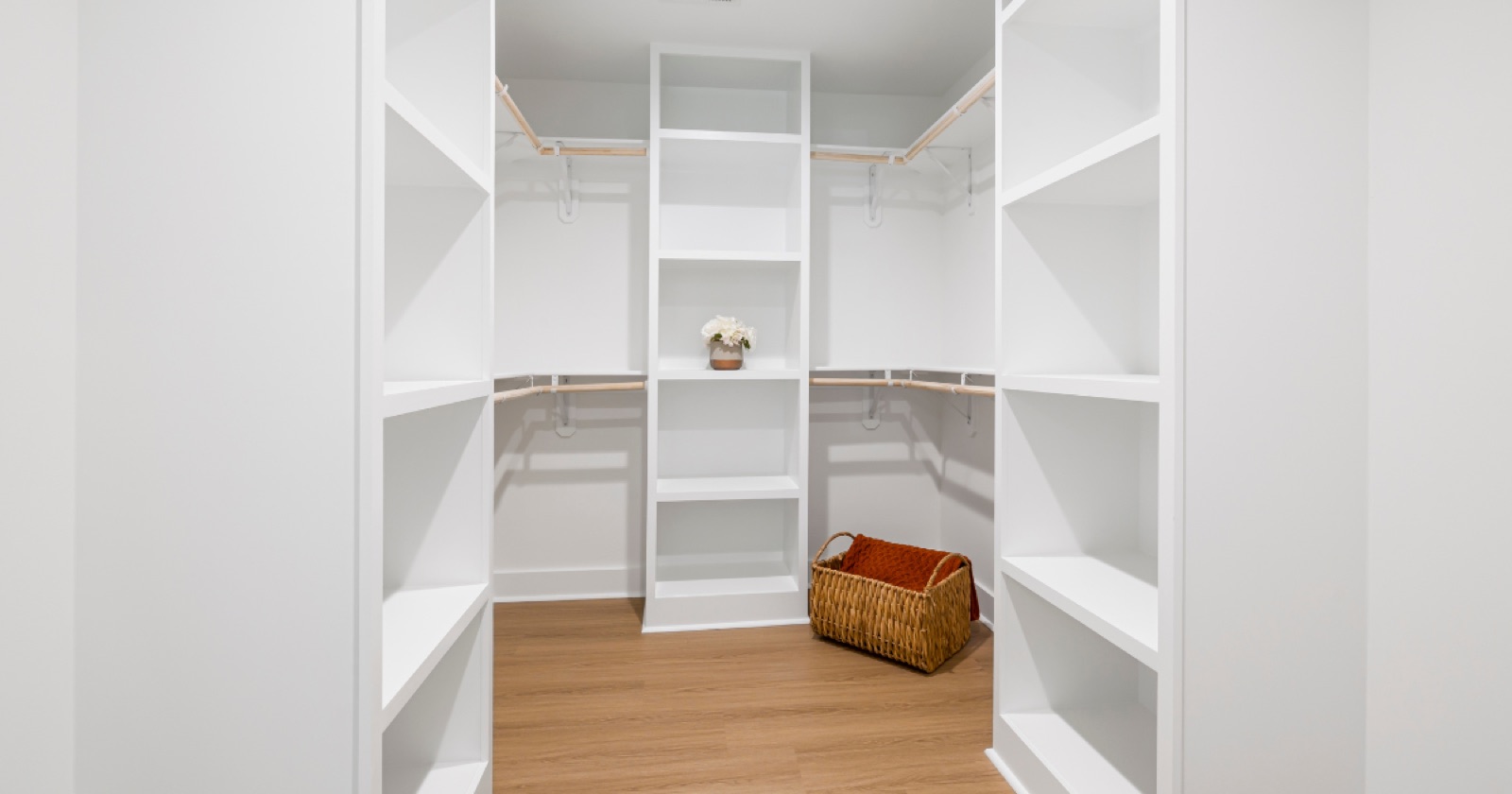
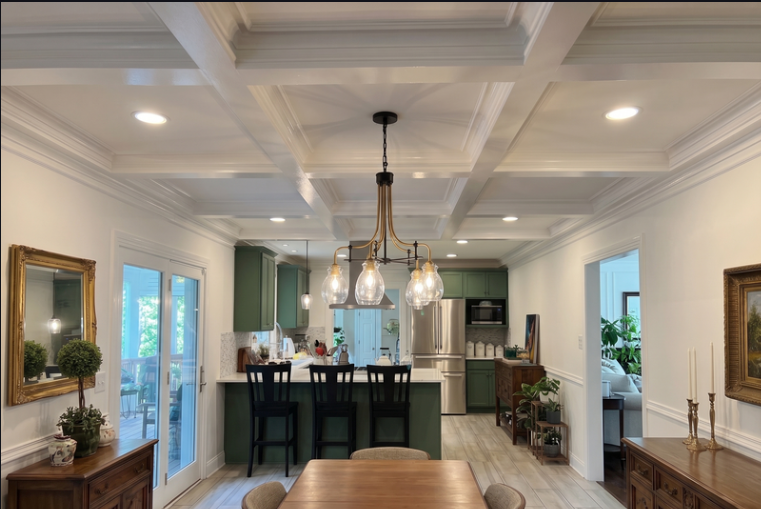
The right addition depends on your lot, structure, budget, priorities, and long-term plans. Common projects include an additional bedroom, a private primary suite, a dedicated home office, a larger family room, an in-law suite, a mudroom or laundry room, an expanded kitchen, or a sunroom or enclosed living space.
Can a Home Addition Increase Property Value?
A well-designed addition may improve both your daily quality of life and the marketability of your property, although no contractor can guarantee a particular resale return. Buyers often value functional square footage, practical bedroom counts, updated layouts, home offices, flexible living areas, and comfortable primary suites.
How to Decide Whether an Addition Is Right for You
1. Define the problem. Identify exactly what is not working in your current layout.
2. Prioritize the new space. Separate essential features from optional upgrades.
3. Evaluate the existing property. Consider lot size, setbacks, utilities, drainage, structure, and local requirements.
4. Compare total costs. Compare the addition with the full financial impact of buying and moving.
5. Choose an experienced local remodeler. Look for clear communication, a detailed scope, and knowledge of North Alabama homes. Before you trade a home and neighborhood you love for a larger mortgage, talk with Warner's Remodeling about creating the space your family needs.
Home Addition Questions North Alabama Homeowners Ask
Is adding onto a home cheaper than moving?
It can be, depending on the addition, your current mortgage, available equity, local home prices, and selling and buying costs.
What type of addition provides the most flexibility?
A bedroom, family room, or private suite can support guests, remote work, hobbies, or multigenerational living.
Can an addition match the existing house?
Yes. Careful planning can coordinate rooflines, siding, windows, trim, flooring, and interior finishes.
How do I start planning a home addition?
Begin with a consultation to discuss the space, function, timeline, and investment range.
Ready to start your project?
Get a free, no-pressure estimate from a local team that treats your home like their own.