Kitchen renovations are one of the most exciting home improvement projects a homeowner can take on. With endless YouTube tutorials, DIY forums, and quick “before and after” videos, it’s never been easier to feel like you can tackle a remodel on your own. And to be clear — you can do a lot yourself. From painting cabinets to swapping out hardware, many upgrades are totally within reach for the determined DIYer.
But here’s the catch: not everything is as simple as it looks on screen. YouTube creators are skilled at editing out the messy middle. They often skip the tricky details that can make or break a kitchen remodel — things like plumbing adjustments, electrical work, and the importance of precise measurements.
In this article, we’ll walk through the most common mistakes homeowners make when following YouTube tutorials for kitchen renovations, why they happen, and how to avoid them. We’re not here to talk you out of DIY — far from it. Instead, think of this as a roadmap to help you approach your project with confidence and awareness.
1. Underestimating the Complexity of Kitchen Renovations
“It only took 20 minutes in the video — how hard could it be?”
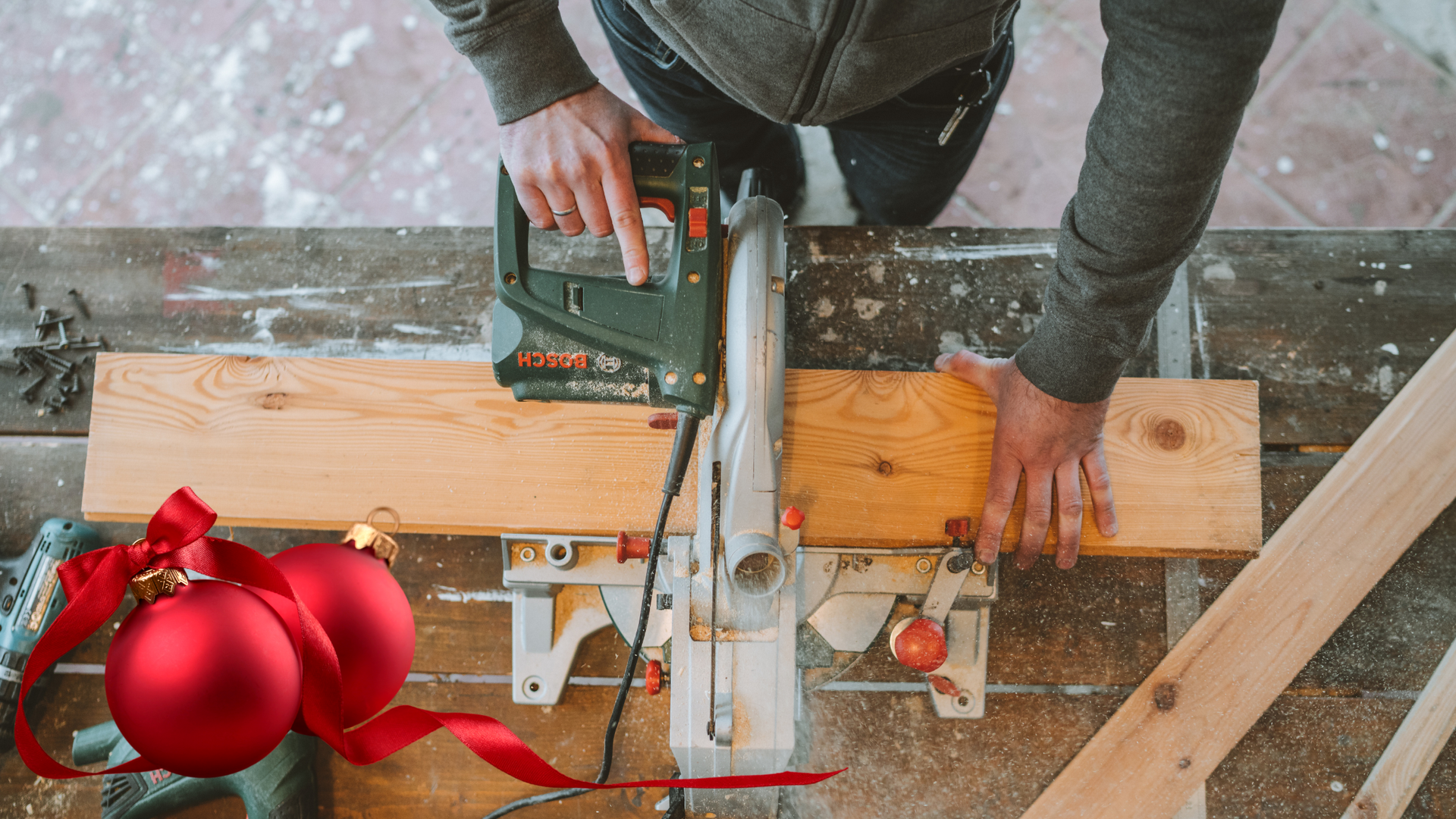
This is the trap so many homeowners fall into. YouTube tutorials are condensed, edited, and optimized for entertainment. What looks like a quick cabinet installation in a 15-minute video might actually take an entire weekend (or longer).
Here’s why:
- Experience gap: Many creators are contractors or advanced DIYers with years of practice.
- Editing magic: Mistakes and do-overs rarely make it into the final cut.
- Hidden prep work: Videos often skip the boring but essential steps like leveling floors, patching drywall, or prepping sub-surfaces.
👉 Takeaway: Don’t underestimate the time and effort. If a video says “one afternoon project,” assume it could take you two or three times longer.
2. Skipping Permits and Local Codes
In the excitement of DIY, it’s easy to overlook the “paperwork” side of renovations. But moving electrical outlets, rerouting plumbing lines, or knocking down walls often requires permits. Ignoring these steps can lead to:
- Failed inspections when selling your home.
- Insurance headaches if damage occurs later.
- Safety hazards for you and your family.
Even if the YouTube video doesn’t mention it, your city or county likely has rules about what work requires a permit.
👉 Pro tip: Always check your local building codes before starting. Even if you’re doing it yourself, you want the work to be legal and safe.
3. Mismeasuring Cabinets and Appliances
Ask any kitchen contractor, and they’ll tell you: measuring errors are one of the top DIY pitfalls. Being off by just half an inch can mean your refrigerator won’t slide in, cabinet doors collide, or drawers won’t open fully.
Why it happens:
- Homeowners measure once instead of twice (or three times).
- They rely on manufacturer specs instead of measuring the actual product.
- They forget to account for clearance, trim, or wall irregularities.
👉 Takeaway: Always double- and triple-check measurements. Write them down, cross-reference them, and when in doubt, measure again.
4. Choosing the Wrong Materials for the Space
A lot of DIYers pick materials based on what looks great in a YouTube video. But kitchens are high-traffic, high-moisture, and high-heat environments. Using the wrong materials can lead to frustration later.
Examples:
- Laminate counters installed near a cooktop can bubble or burn.
- Cheap flooring may warp under moisture or scratch easily.
- Non-kitchen-rated paint may peel or stain under steam.
👉 Pro tip: Before buying, research the material’s durability and maintenance. Ask yourself: Will this stand up to daily cooking, spills, and heavy use?
5. Overlooking Plumbing and Electrical Challenges
This is where many DIY projects take a wrong turn. YouTube makes relocating a sink or adding recessed lighting look straightforward. In reality, plumbing and electrical work requires skill and knowledge of safety codes.
Common mistakes include:
- Overloading circuits with new appliances.
- Incorrectly sloping plumbing lines, causing slow drainage or backups.
- Using the wrong type of wiring or fittings, leading to safety hazards.
👉 Takeaway: If your project involves major plumbing or electrical changes, consider at least consulting with a licensed pro. You can still handle the cosmetic parts of the renovation while leaving the technical work to experts.
6. Not Budgeting for Hidden Costs
YouTube creators often show a glossy “$5,000 kitchen makeover” with jaw-dropping results. What they don’t always show are the hidden costs that pop up along the way.
Examples include:
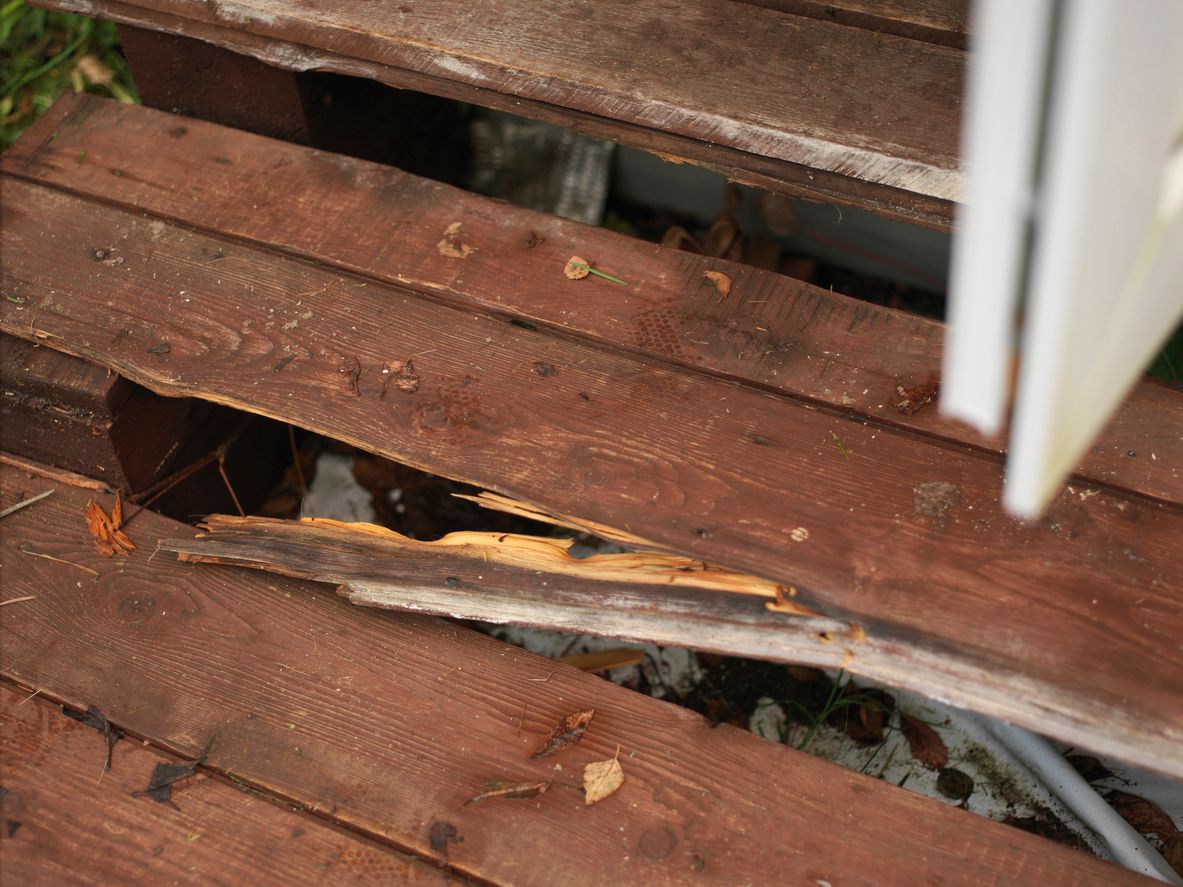
- Discovering water damage behind cabinets.
- Replacing outdated electrical wiring.
- Repairing subfloors before new tile goes in.
👉 Pro tip: Always set aside 10–20% of your renovation budget for surprises. That way, you won’t be derailed when the unexpected happens.
7. Copying Trends Without Considering Lifestyle
Open shelving, glossy backsplashes, or waterfall counters might look stunning online — but will they fit your daily life?
For example:
- Open shelves can get cluttered and dusty if you cook frequently.
- White marble counters stain easily with wine, coffee, or tomato sauce.
- High-gloss cabinet finishes show fingerprints from kids and pets.
👉 Takeaway: Be inspired by YouTube, but filter trends through the lens of your lifestyle. Choose design elements that are both beautiful and functional for your household.
8. Skipping Professional Help When It’s Needed
Here’s the hard truth: sometimes DIYers start a kitchen renovation to save money but end up calling a contractor after things go sideways. Unfortunately, fixing mistakes can be more expensive than hiring a pro from the beginning.
Situations where professional help is usually worth it:
- Structural changes (removing or moving walls).
- Major plumbing or electrical work.
- Custom cabinetry installation.
👉 Balanced approach: You don’t have to choose between full DIY and hiring everything out. Many homeowners handle demolition, painting, and finishes, while leaving the technical or structural work to professionals.
FAQs About DIY Kitchen Renovations
Q: Is it cheaper to DIY my entire kitchen renovation?
A: It can be, but mistakes, re-dos, and hidden costs often erase the savings. A hybrid approach (some DIY, some professional) is usually most cost-effective.
Q: What’s the easiest DIY kitchen project for beginners?
A: Painting cabinets, updating lighting fixtures, or swapping out hardware. These give big visual impact without the complexity of plumbing or electrical rerouting.
Q: Can I move my sink or stove on my own?
A: Technically yes, but it usually requires plumbing/electrical expertise and permits. It’s best to consult a pro for these types of changes.
Final Thoughts
DIY kitchen renovations can be incredibly rewarding. With the right mindset, research, and preparation, you can create a space you’re proud of — and save money in the process. The key is knowing your limits and being honest about when to bring in help.
Remember: YouTube is a great source of inspiration, but it’s not a complete manual. Take tutorials with a grain of salt, budget for surprises, and always double-check measurements and codes.
If you’re planning a kitchen remodel in Huntsville, Alabama, and want professional guidance alongside your DIY efforts, Warners Remodeling is here to help. Whether you need full project management or just assistance with plumbing, electrical, or custom installations, our team is ready to make your dream kitchen a reality. Contact us to schedule a consult!